Char Kway Teow, Laksa, and the New American Table: How Hawker Culture Crossed the Pacific
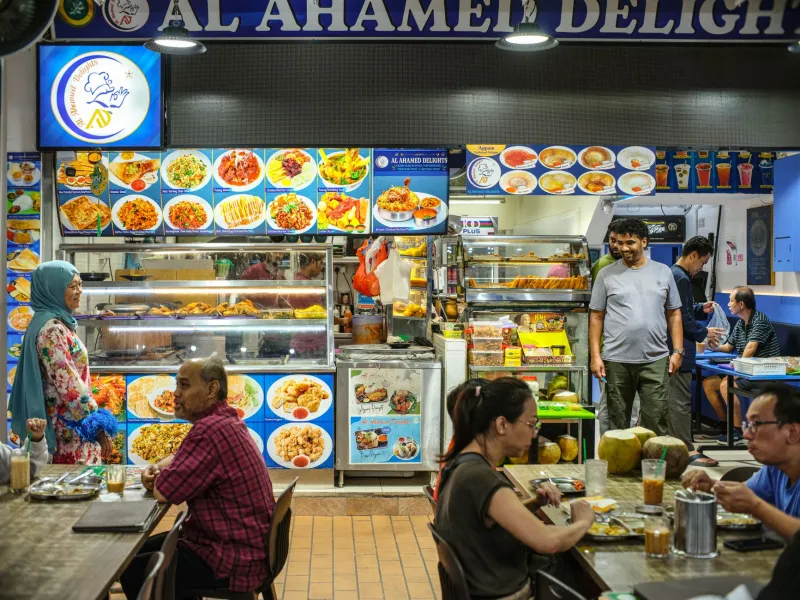
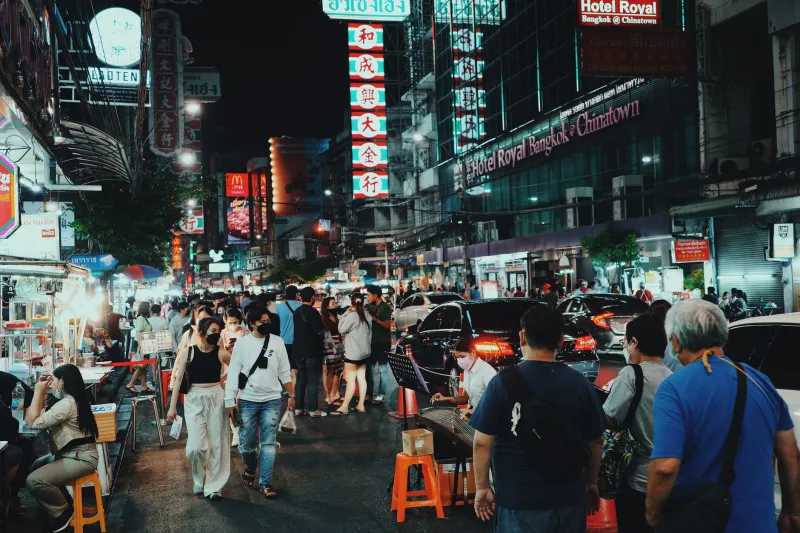
There's a particular kind of magic that happens at a hawker centre. You grab a plastic stool, flag down a sweaty uncle wielding a wok over roaring flames, and within minutes you're staring down a plate of char kway teow so good it rewires your brain. No dress code. No reservation. Just fire, flavor, and the hum of a hundred conversations happening at once.
That magic — raw, democratic, deeply communal — is now making serious inroads across the American dining landscape. And for anyone who grew up eating their way through the open-air food courts of Singapore, Kuala Lumpur, or Surabaya, watching it happen feels like watching home travel.
The Dish That Started the Conversation
If there's one dish that's been doing the heavy lifting as an ambassador for Southeast Asian hawker food in the US, it might just be laksa. The rich, coconut-laced noodle soup — born from the Chinese-Malay culinary fusion that defines so much of Nanyang heritage — has shown up on menus from Houston to Seattle in the last few years, often described breathlessly by food critics as "the bowl that changes everything."
Chef Pim Techamuanvivit, whose San Francisco restaurant Kin Khao earned a Michelin star, has spoken openly about how the boundary-blurring nature of Southeast Asian food — dishes that refuse to stay neatly inside one culinary tradition — is exactly what American diners are hungry for right now. It's food with a story built right into the recipe.
And that story matters. Hawker food isn't just street food. It's the edible record of migration, trade, and cultural collision. Every bowl of Hokkien mee carries the history of Chinese immigrants who settled across the Malay Archipelago, adapted their recipes to local ingredients, and created something entirely new. When Americans eat it, they're tasting centuries of movement.
Chefs Carrying the Torch
The human side of this culinary migration is just as compelling as the food itself. Take Kian Lam Kho, a Boston-based chef and food writer whose work has helped introduce American audiences to the nuances of Peranakan cooking — the distinctive cuisine of the Straits Chinese communities of Singapore and Malaysia. His approach is less about authenticity policing and more about storytelling: explaining why a dish tastes the way it does, and who made it that way.
Then there's the wave of younger, US-born or US-raised chefs of Southeast Asian descent who are bridging worlds in their kitchens. In Los Angeles, chefs like Charles Olalia (whose Filipino-inflected work often nods to broader Nanyang influences) and restaurateurs building out concepts in cities like Houston — home to one of the largest Vietnamese and Malaysian diaspora communities in the country — are creating spaces that feel less like "ethnic restaurants" and more like living cultural documents.
The food hall boom has been a particular accelerant. Spaces like Urbanspace in New York or Time Out Market in various cities have given hawker-style vendors a platform that feels native to the American urban experience while preserving the essential spirit of the hawker centre: multiple vendors, shared tables, no fuss.
Television Turned Up the Heat
It would be impossible to talk about this shift without crediting the role of food television and streaming content. Anthony Bourdain's legendary episode on Singapore's hawker centres — filmed for Parts Unknown — is still cited by American food obsessives as a turning point in how they understood Southeast Asian food culture. More recently, Netflix's Ugly Delicious and Street Food Asia (David Gelb's gorgeous documentary series) have brought hawker stalls into American living rooms with cinematic reverence.
When you watch a 70-year-old Singaporean woman explain that she has spent her entire adult life perfecting one single dish — and that she considers this a profound act of devotion, not limitation — something shifts in the viewer. American food culture, long obsessed with novelty and reinvention, finds itself genuinely moved by mastery and continuity.
That emotional resonance is a huge part of why hawker culture is landing so well right now. It offers an antidote to the disposable, trend-chasing nature of so much contemporary dining.
More Than a Meal: Community at the Table
For the Asian diaspora in the US, the rise of hawker-influenced dining carries a different kind of weight. It's validation, yes — but it's also connection. Second-generation Malaysian-Americans who grew up eating nasi lemak at home, maybe slightly embarrassed to bring it to school, are now watching their peers line up for it at weekend pop-ups in Brooklyn.
Community organizations in cities with large Southeast Asian populations — Houston, Los Angeles, the San Francisco Bay Area — have long used food as a cultural anchor. Hawker-style events and food festivals have become gathering points that serve both as celebration and as quiet resistance against cultural erasure. When a Singaporean family sets up a stall at a local Asian night market and sells out of rojak in an hour, that's not just commerce. That's heritage, alive and kicking.
For curious newcomers to Nanyang food culture, the hawker format is also remarkably approachable. There's no intimidating tasting menu, no sommelier hovering. You point, you pay, you eat. The food does the talking.
What Comes Next
The trajectory feels clear: Southeast Asian hawker culture isn't a trend in the US — it's a permanent addition to the culinary conversation. As more chefs, food writers, and diaspora communities continue to share their stories through food, the nuances will only deepen. Americans will start to understand the difference between Singaporean and Malaysian laksa (and have strong opinions about it). Hainanese chicken rice will become as recognizable as pad thai.
And somewhere in a food hall in Austin or a pop-up in Chicago, someone will take their first bite of char kway teow — smoky, silky, a little charred at the edges — and feel that particular rewiring happen.
Welcome to the table. Pull up a plastic stool.