Brush With Power: How Asian Beauty Creators Stopped Following Trends and Started Making Them
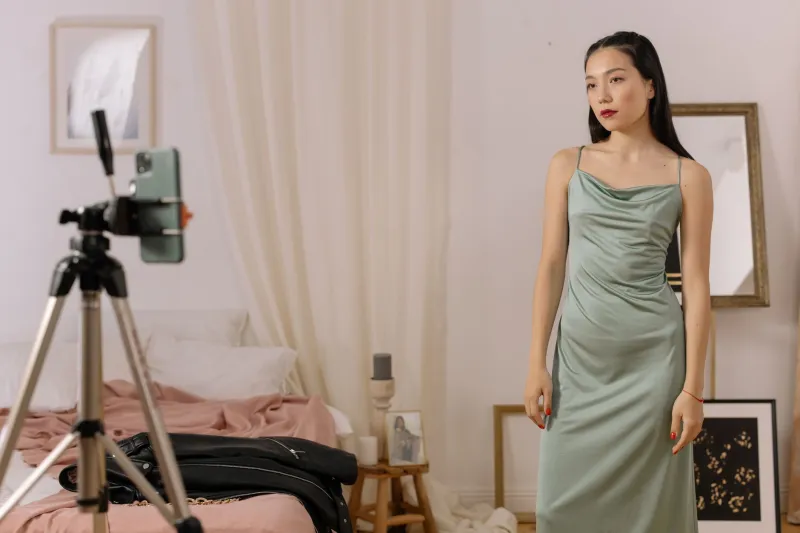
There's a moment that keeps repeating itself across beauty YouTube, TikTok, and Instagram right now. A creator — maybe she's Filipino-American, maybe she's Vietnamese, maybe she grew up in Malaysia and now lives in Los Angeles — picks up a brush, starts talking about her grandmother's skincare rituals or the way her mom mixed turmeric into everything, and then proceeds to do something so technically precise and culturally specific that every major beauty brand's marketing team collectively sits up straighter.
This is the Makeup Artist Moment. And it's been building for years.
From Comment Section to Campaign
Not long ago, the beauty industry's relationship with Asian creators was transactional at best and tokenizing at worst. Brands would tap a creator for a single sponsored post — usually around Lunar New Year or some vaguely "Asian-inspired" collection launch — and then move on. The creators were decorative. They weren't decision-makers.
That calculus has completely flipped.
Creators like Michelle Phan, who essentially invented the beauty tutorial genre on YouTube, cracked the door open. But the generation that followed her didn't just walk through that door — they renovated the whole house. Today, Southeast Asian and East Asian beauty creators aren't waiting for brand deals. They're launching their own lines, negotiating co-creation agreements with conglomerates like L'Oréal and Estée Lauder, and building audiences that dwarf the engagement numbers of the brands themselves.
The numbers back this up. A 2023 analysis of beauty influencer engagement found that mid-tier Asian creators — those with between 500K and 2 million followers — consistently outperformed legacy brand accounts on metrics like saves, shares, and purchase intent. Consumers trust a person who looks like them, talks like them, and has actually tried to find a foundation shade that works for their undertone. That's not a small thing.
The DIY Roots of a Beauty Revolution
Part of what makes this movement so interesting is where it came from. DIY beauty culture has deep roots across Southeast and East Asia — think of the generations of women who made their own rice water hair rinses, fermented their own skincare ingredients, or figured out how to make Western makeup products work on features and skin tones they were never designed for.
That ingenuity didn't disappear when these communities immigrated to the United States. It adapted. Second-generation creators grew up watching their mothers make do, then turned that problem-solving into content. The tutorials that resonated weren't just "how to do a smoky eye." They were "how to do a smoky eye when your eyelids don't cooperate with Western application techniques" or "how to find a concealer that doesn't oxidize orange on deeper South Asian skin tones."
This hyper-specific, community-first approach turned out to be exactly what Gen Z was hungry for — an antidote to the airbrushed, one-size-fits-all beauty content that had dominated magazines and TV for decades.
Diaspora Identity as a Creative Engine
What separates the most influential Asian beauty creators from everyone else isn't just skill — it's the way they've turned diaspora identity into a creative engine.
Take the way creators of Filipino heritage have brought pangkabuhayan — a concept of livelihood and resourcefulness — into their content philosophy, building brands that emphasize accessibility and community. Or how Korean-American creators have introduced a more holistic, skin-first approach to American beauty consumers who were raised on full-coverage foundation as the default.
These aren't niche conversations anymore. They're shaping the mainstream. The "glass skin" trend, the rise of cushion compacts, the sudden American obsession with snail mucin and centella asiatica — none of that happened because a brand decided to educate US consumers. It happened because creators with lived experience made it feel personal, relatable, and genuinely effective.
The beauty industry is finally catching on to what Nanyang culture has always understood: that the most compelling stories come from specificity, not from smoothing everything into something palatable for the broadest possible audience.
Bypassing the Gatekeepers
Perhaps the most radical thing about this generation of creators is their relationship — or lack thereof — with traditional beauty gatekeepers. Magazine editors, department store buyers, publicists who controlled which products got reviewed and which didn't: that whole ecosystem has been disrupted, and Asian creators were among the first to realize they didn't need it.
Platforms like TikTok Shop have made it possible for a creator to go from concept to sale without a single retail partnership. Shopify has lowered the barrier to launching an independent brand. And a loyal, engaged community turns out to be worth more than any shelf placement at Sephora — though plenty of these creators are ending up there anyway, on their own terms.
The brands that tried to keep these creators at arm's length are now in full courtship mode. And the creators — older, wiser, and holding significantly more leverage — are being selective about who they partner with and how.
What 'Aspirational' Looks Like Now
For American Gen Z consumers, aspirational beauty has been completely redefined. It no longer means looking like someone on a magazine cover. It means looking like the best version of yourself — which requires seeing yourself reflected somewhere in the first place.
Asian beauty creators have built that mirror. And in doing so, they've changed what the entire beauty industry has to offer to everyone.
The brands that recognize this aren't just writing diversity into their marketing briefs. They're restructuring product development pipelines, hiring creators as consultants before a product launches rather than after, and rethinking shade ranges and formulations from the ground up.
It's a slow process. The beauty industry is a tanker, not a speedboat. But the direction has changed — and the people steering it look a lot different than they did ten years ago.